
Chile Discover The Beauty Singles Vacation Itinerary
Follow your journey, meet new friends and make memories of the lifetime.
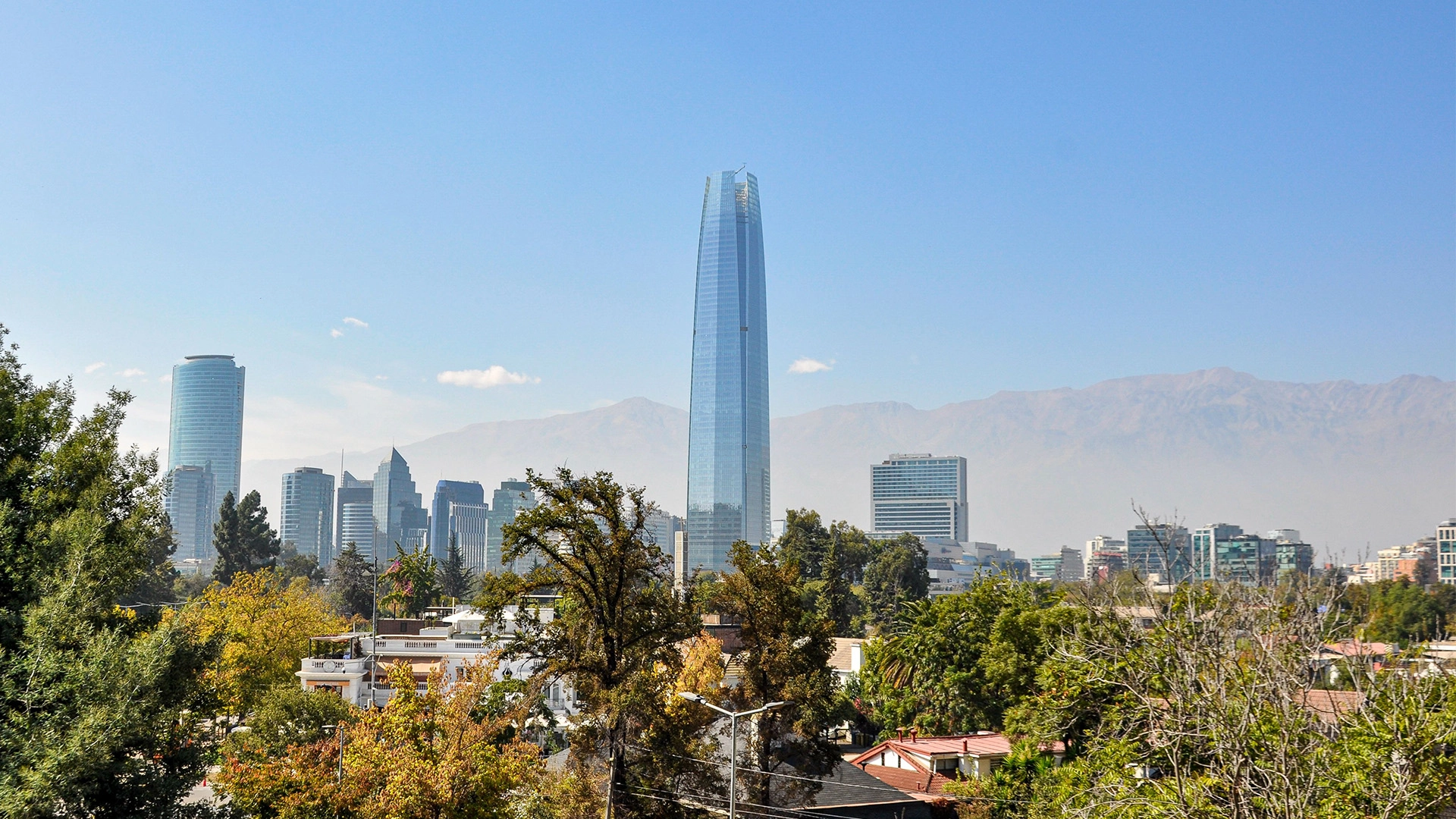
Arrive at Arturo Merino Benítez International Airport, also known as Santiago International Airport (airport code - SCL), collect your luggage and go through customs. Take the provided shared shuttle to the group's hotel.
Tonight we will do a quick meet and greet for those who have already arrived and walk to an optional dinner.
After breakfast, we transfer to the airport for our flight to Punta Arenas, near the tip of Chile's southernmost Patagonia region, located on the Strait of Magellan, which connects the Atlantic and Pacific oceans. Upon arrival we will transfer to our hotel and check-in.
Discover the special charm of this extreme city, shaped by the Strait of Magellan and enriched by various cultures leaving a valuable historical and cultural legacy with traditions that endure to this day. Its population descends mainly from Croatian, Spanish, Italian, German, and English immigrants, as well as families from Chiloé Island (south of Chile). Our tour begins with a visit to Cerro Mirador, where we can get a panoramic view of the city and the Strait of Magellan. We will also visit main streets and avenues, various monuments, and have the opportunity to visit the Nao Victoria Museum. The tour concludes in the Muñoz Gamero main square.
Located 20 miles northeast of Punta Arenas, in the middle of the Strait of Magellan, Magdalena Island is home to 120,000 Magellanic penguins and the largest such colony in Chile and Marta Island is home to more than 1000 Sea lions, Cormorants, Skuas, Austral seagull, Antarctic pigeon and Sea elephants. We will board our speed boats for a 45 minute ride to Magdalena Island. Once we have landed we’ll have about an hour to explore and take photos. Visit the lighthouse, an environmental interpretation center, where we’ll find information about the history of the strait and the ecological richness of the islands.
We continue our journey to Isla Marta to see the sea lions, imperial cormorants and hundreds of southern gulls. To protect the wildlife, Marta Island is only circumnavigated to admire and photograph the Colony and the diversity of marine birds that live there. Then we return to the pier and to Punta Arenas. Depending on our luck we might be able to see Austral Dolphins and Toninas Overa.
Time to relax and view the beautiful scenery as we travel about 3 hour to Puerto Natales. Upon arrival we check-in to our hotel and enjoy the hotel facilities.
Today we discover Torres del Paine National Park, in Chile’s Patagonia region, known for its soaring mountains, bright blue icebergs that cleave from glaciers and golden pampas (grasslands) that shelter rare wildlife such as llama-like guanacos. First we stop at Milodon Cave, a natural monument composed of three caverns and a rocky conglomerate called "Silla Del Diablo" (Devil´s chair). The old men of Patagonia claim the devil appears to those who come to look for him on dark nights. Then we continue to Torres del Paine National Park passing the Sofia Lagoon, Prat Range, Porteño Lake, Mesa Hill, Del Toro Lake, Del Toro and Ballena Hill. Admire the beautiful landscape that surrounds the Grey Lake view point before we drive over Serrano bridge to walk along the shores of Grey Lake
After time for lunch we will begin the second part of our visit in Torres del Paine National Park, heading to Salto Grande sector. We will stop at the colorful waters of Nordenskjold lake and Paine waterfall which is a beautiful place where to see the turquoise waters that come from the Paine River. After enjoying this pleasant show, we will return to Puerto Natales, stopping at Sarmiento lake to take our last photos of Torres del Paine National Park.
Board our boat as it begins its navigation on the Señoret Canal, heading northwest towards Mount Balmaceda while enjoying breakfast on board. Our first point of interest will be the Frories Bories National Historical Monument, founded in 1913 by the Exploitation Society Tierra del Fuego. It was the area's most important slaughter center for over 60 years. It stands out for its post-Victorian English industrial architecture and masonry construction. Navigating the Señoret canal, we head towards Guanaco Island where we can see the small and wonderful Magellan Dolphins (Toninas). Then we access through the Estancia Margot to the Wall of Cormorants where a large number of these birds are exhibited ventilating their wings extended to the wind. Continuing the trip to Punta de Lobos where we find some examples of said mammal. Then we visit the Cascade and cliffs where we can see condors. At each point of interest, the boat will stop for passengers to enjoy the scenery and attractions. The trip continues to Mount Balmaceda (2035 meters of altitude) where we can appreciate the glacier of the same name and then we will disembark in Puerto Toro to begin the one-hour trek round the shore of the Témpanos lagoon, accompanied by our bilingual guide. . Through a native forest of coihues, ñirres and ciruelillos, towards the Serrano glacier, we will enjoy the fascinating vegetation, the contrast between a clear sky and ice of the imposing Serrano glacier. After witnessing a unique, wild and virgin landscape we finish our navigation upon arriving in Puerto Natales.
After breakfast we transfer back to Punta Arenas to board our flight to Calama Airport. Upon arrival we will transfer to San Pedro de Atacama, a town set on an arid high plateau in the Andes mountains of northeastern Chile. Its dramatic surrounding landscape incorporates desert, salt flats, volcanoes, geysers and hot springs.
To start, we travel west of San Pedro de Atacama to the Domeyko hills, a spectacular hill formation that runs parallel to the Andes. The tour will take us back in time to when indigenous people lived there, adding to the historical and cultural experience. We will then cross over to Matancilla, with its rich flora and fauna, to see the Rainbow Valley, named after the various colors of the surrounding hills. Its red, green, white, yellow, brown and earth-colored tones combine with the blue sky and the white salt flats to create a truly unique setting. Next, we visit the viewpoint to take in the Cañon del Arcoiris (Arcoiris Canyon). Then, we will visit the “Yerbas Buenas” Petroglyphs archaeological site. In beautiful and ancient rock formations, we will observe petroglyphs thousands of years old that show the passage and life of the Atacameña Lickanantay culture.
Today we have a full-day excursion to Atacama Salt Flat and Altiplanics Miscanti – Meñiques Lagoons. The 11,580-foot Atacama Salt Flat is one of the main attractions of the Los Flamencos National Reserve. The lake beneath the salt flat holds one of the world's largest lithium reserves. This mineral is widely used in the technology industry and is exploited in the southern area of the flat. The salt layer has holes which have become small lagoons, providing a home for aquatic birds such as flamingos, red-gartered coots, and guallatas. Fauna species also include the Chilean and the Andean Flamingo, Puna Plover, Hudson Mohawk, Andean Seagull, Austral Negrito, Burrowing Owl, and some types of Swallow.
We will also travel to the high plateau lagoons to view Miscanti and Miñiques at more than 13,000 feet. The lagoons are surrounded by imposing volcanoes originated by the elevation of the Andes mountain range and have a great variety of birds that arrive at its waters. We will also visit the local villages of Toconao and Socaire. Toconao is known for its houses built of white stone (called Liparita) and its church dating from 1750. There are about 400 people living in Socaire and we will see some terraces of crops and plantations of fruit trees, quinoa, alfalfa and corn.
On this exciting tour, we will visit the impressive Tatio Geysers, at 4000 meters above sea level on the Andean plateau. Our journey to the Altiplano starts in the early hours, so we can watch the sun rise in one of the most important geothermic fields in the world: the Tatio Geysers. There are over 70 geysers with pools of boiling water spurting vapor. It is best to see them first thing in the morning, so you can truly appreciate the beautiful contrast of colors between the intensely blue sky and the pristine vapor from the geysers. Likewise, we will observe the “Crying Grandfather,” one of the largest geothermal fields in the world. We will then enjoy a deserved breakfast in this amazing setting, in the shadows of the Andes. This will allow us to warm up, as the temperatures in the zone can range from -2°C (28.4°F) to 24.5°C (76.1°F). On our way back to San Pedro de Atacama, we will visit the beautiful “Vado de Putana,” where vicuñas, foxes, and different birds come to drink water and feed themselves, perfect for photographing landscapes and fauna. We will then stop off in the village of Machuca, a truly atacameño village of just 20 houses built from clay, straw and cactus wood. The inhabitants of Machuca all dedicate themselves to its tourism and will offer hand crafted Andean souvenirs, as well as typical food from the region such as llama meat, sopaipillas (a traditional bread made from squash) and empanadas. While there, we will also visit the beautiful San Santiago Church, named after the patron saint of the village, as well as visiting the wetlands where we can see flamingos, ducks and other birds.
We start the day with a visit to Valparaiso and Viña del Mar. Viña del Mar, Valparaíso is one of the main ports of Chile proclaimed a World Heritage Site by UNESCO in 2003. We will walk through its beautiful streets and contemplate from its balconies the wonderful bay and hills full of colors, which have inspired famous painters, architects, draftsmen, musicians and poets. We will visit Cerro Alegre, the Sotomayor Square, where the monument to Iquique Heroes is and visit the port. Then we continue to Viña del Mar, also known as "Ciudad Jardín" (Garden City) stands out for the beauty of its palaces, the famous flower clock and its extensive coast with 8 kilometers of beaches, walks and rockeries.
After visiting Viña del Mar we will continue to Casablanca Valley located one hour west from Santiago we find this precious valley, sitting between the coastal mountains and the Pacific Ocean in the valleys of Chile’s central área, with more than twenty vineyards specialized in Chardonnay and Sauvignon Blanc. We invite you to travel the beautiful wine route where you can visit some of the most prestigious vineyards and learn about the wine production and enjoy the best wines.
Relax at our hotel before taking the provided shuttle to the airport for your flight home or transferring to the airport with the group flying to Easter Island. Either way, it is now time to say goodbye to Santiago de Chile.
"Easter Island Extension"
March 30 - April 1, 2027
Upon arrival on Rapa Nui, Easter Island we will take the airport shuttle to our hotel and check-in. Then we will drive up the extinct volcano Rano Kau, the largest volcano and one of the most beautiful and impressive natural settings on Easter Island. Rano Kau has a crater lake which is one of the island’s only three natural bodies of freshwater. The principal archaeological site on Rano Kau is the ruined ceremonial village of Orongo.
Located in a narrow strip between the edge of the crater that surrounds the lagoon and the cliff that descends almost perpendicular to the sea, in front of the Motu Nui, Motu Iti and Motu Kao Kao islets, the village of Orongo was inhabited seasonally by the chiefs and main villagers of the ancient tribes, who hoped to collect the first sacred egg of the manutara bird in the months of spring. It consists of a collection of low, sod-covered, windowless, round-walled buildings with even lower doors.
Today we drive to the south coast and visit representative examples of unrestored platforms, including Ahu Vaihu in the bay of Hanga Te’e, where we also visit the reconstruction of a former village. Then we visit Akahanga, where King Hotu Matua is supposedly buried. Proceed to Rano Raraku, quarry of almost 900 stone statues, 397 of them still lying or standing at the slopes of the extinct volcano with crater lake. Then visit Ahu Tongariki (restored with 15 Moais), most recent and biggest restauration on the island. For lunch we stop at a little restaurant with view at Rano Raraku. Afterwards drive to the eastcoast and visit Ahu Te Pito Kura and the “Navel of the World”. Last but not least visit the beach of Anakena with its restored Ahus Nau Nau and Ature Huke. There you will have the opportunity to enjoy the warm Pacific Ocean. This evening enjoy a farewell Dinner & Show on Easter Island that immerses you in the island’s vibrant Polynesian culture. As the sun sets, savor traditional Rapa Nui dishes bursting with fresh flavors. The evening comes alive with performances, where dancers in elaborate costumes tell ancestral stories through music and movement. This unforgettable night blends local cuisine, rhythmic drumming, and mesmerizing choreography, creating a unique connection with the soul of Easter Island.
Sad to say but our tour of Chile and Easter Island has come to an end. Time to say good-bye to all your new travel friends and take the provided shuttle to the airport.
Chile Hotels
Comfortable accommodations selected throughout your Chile adventure.
What’s Included in Your Trip
Your vacation package includes carefully selected accommodations, transportation, guided experiences, and essential trip services.
Covered in Your Vacation Package
-
10 Nights Accommodations
3 Domestic Air Flights
Breakfast Daily - 3 Lunches - Wine Tasting
English Speaking Travel Leader
Guided Tours and Activities per itinerary
Airport/Hotel Transfers on Tour Dates
All Taxes and Surcharges
Easter Island Extension Also Includes
2 Nights Accommodations Breakfast daily - Farewell Dinner
Additional Travel Expenses
- Post Night in Santiago with Airport Transfer - $225 Airfare to and from Chile Airfare to and from Easter Island Tips
*The price per person is for a double room. Free roommate matching is available on all our vacations, so there is never a need to pay a "single supplement". If you wish to room alone it is an additional $895 for main tour and $375 for Easter Island.
Frequently Asked Questions About the Chile Singles Vacation
Find answers to common questions about booking, accommodations, payments, insurance, and preparing for your vacation.
Yes. This Chile vacation is designed for single and solo travelers who want to experience Chile as part of a friendly group. The trip is geared toward travelers in their 40s, 50s, and active 60s+, making it easy to explore with people at a similar stage of life. You can travel independently without having to plan the entire journey alone, while enjoying organized sightseeing, shared experiences, and opportunities to make new travel friends.
The itinerary showcases several of Chile's most remarkable regions. The journey includes Santiago, Punta Arenas, Puerto Natales and Patagonia, San Pedro de Atacama, Valparaíso, Viña del Mar, and the Casablanca Valley. Highlights include Torres del Paine National Park, the Atacama Desert, high-altitude lagoons, El Tatio Geysers, Chilean wine country, and the country's Pacific coast. Travelers can also extend their vacation with an optional visit to Easter Island.
The main Chile vacation includes 10 nights of accommodations, three domestic flights within Chile, daily breakfast, three lunches, a wine tasting, an English-speaking travel leader, guided tours and activities listed in the itinerary, airport and hotel transfers on scheduled tour dates, and applicable taxes and surcharges. International airfare, tips, and certain optional services are not included. Travelers adding Easter Island receive two additional nights of accommodations, daily breakfast, and a farewell dinner as part of the extension.
No. You can join the trip completely on your own. Best Single Travel specializes in vacations for singles and solo travelers, so arriving without a companion is completely normal. The group format provides opportunities to meet fellow travelers during sightseeing, meals, transfers, and activities throughout the vacation.
This is an active sightseeing vacation, so travelers should be comfortable walking, getting on and off transportation, and spending full days exploring. The itinerary includes walks through natural areas such as Torres del Paine, excursions around San Pedro de Atacama, city sightseeing, and visits to high-altitude destinations. Some Atacama excursions reach elevations above 13,000 feet, so travelers should consider their personal comfort and fitness level when preparing for the trip.
Because this vacation travels through very different regions of Chile, you should prepare for changing weather and temperatures. Patagonia can be cool and windy, while Santiago and central Chile may be considerably warmer. The Atacama Desert can have warm daytime conditions followed by much colder temperatures early in the morning and at night. Layered clothing, comfortable walking shoes, sun protection, and a light waterproof or wind-resistant jacket are useful additions to your packing list.
Several excursions around San Pedro de Atacama travel to high elevations. The itinerary visits the Miscanti and Miñiques lagoons at more than 13,000 feet, while El Tatio Geysers are located at approximately 4,000 meters above sea level. Travelers may notice the effects of altitude, particularly during physical activity. Staying hydrated, pacing yourself, and following guidance from your tour leader are important. Anyone with medical concerns about high-altitude travel should consult their healthcare professional before the trip
Chile covers an enormous geographic area, and many of its most memorable destinations are separated by long distances. Traveling with an organized singles group simplifies transportation, domestic flights, accommodations, tours, and logistics while still giving you the experience of discovering the country with other travelers. Instead of worrying about coordinating every detail yourself, you can focus on Patagonia's scenery, the Atacama Desert, Chilean culture and wine, and the friendships that develop along the way.